

Technology and Ethical Best Practices
This course is designed to provide Arizona mental health professionals (LPC, LCSW, LMFT, LISAC, and associates) with a comprehensive review of the latest Arizona Board of Behavioral Health Examiners (AzBBHE) rules and statutes, specifically focusing on the intersection of clinical practice and evolving technology. As of November 2, 2025, significant rule changes have gone into effect, including new mandates for Artificial Intelligence (AI) disclosure, updated telehealth protocols, and stricter electronic record-keeping standards. This training ensures your practice remains compliant with both current mandates and the upcoming January 1, 2027 enforcement deadlines. In an era where "telepractice" has become the standard and AI tools are rapidly entering the clinical space, maintaining ethical boundaries requires more than just a HIPAA-compliant platform. This course provides a roadmap for ethical technology integration, including use of artifical intelligence in therapy.
Through interactive lectures, case-study videos, and clinical activities, this training is designed to strengthen the knowledge of legal and ethical requirements within the evolving digital landscape of Behavioral Health. Sponsored by Scottsdale Recovery Center, this course aligns with AZBBHE standards, focusing on the ethical integration of technology into modern practice.
Note: While designed to meet state regulations, the final acceptance of CEUs remains at the discretion of the Arizona Board of Behavioral Health Examiners.
Participants are encouraged to reflect on the pre-segment questions to foster sound ethical judgment. In the digital realm, this requires a commitment to:
- Technical Literacy: Thoroughly familiarizing oneself with both clinical standards and the security of the platforms utilized.
- Digital Sensitivity: Recognizing how technology can subtly shift power dynamics or blur professional boundaries.
- Adaptive Evolution: Embracing ethical decision-making as an ongoing process that keeps pace with technological advancement.
This training will focus on the following modernized objectives:
- Digital Dilemmas: Respond to common ethical dilemmas involving social media, "Googling" clients, and electronic communication.
- The Legal-Tech Link: Discuss the intersection of state law and digital practice, including inter-jurisdictional telehealth challenges.
- Digital Confidentiality: Define the "Electronic Service" boundary, discussing informed consent specifically for telehealth and the limits of digital privacy.
- Mandated Reporting in Virtual Spaces: Discuss mandated reporting laws and the logistics of emergency intervention during remote sessions.
- HIPAA & Cyber-Security: Outline the goals of HIPAA in the context of "Covered Entities," including encryption standards and Business Associate Agreements (BAAs).
- Technological Competence: Discuss the ethical requirement to maintain competence in the specific software and hardware used for clinical delivery.
- Digital Informed Consent: Discuss unique consent issues, such as recording sessions, tech failures, and data storage policies.
Your Instructor
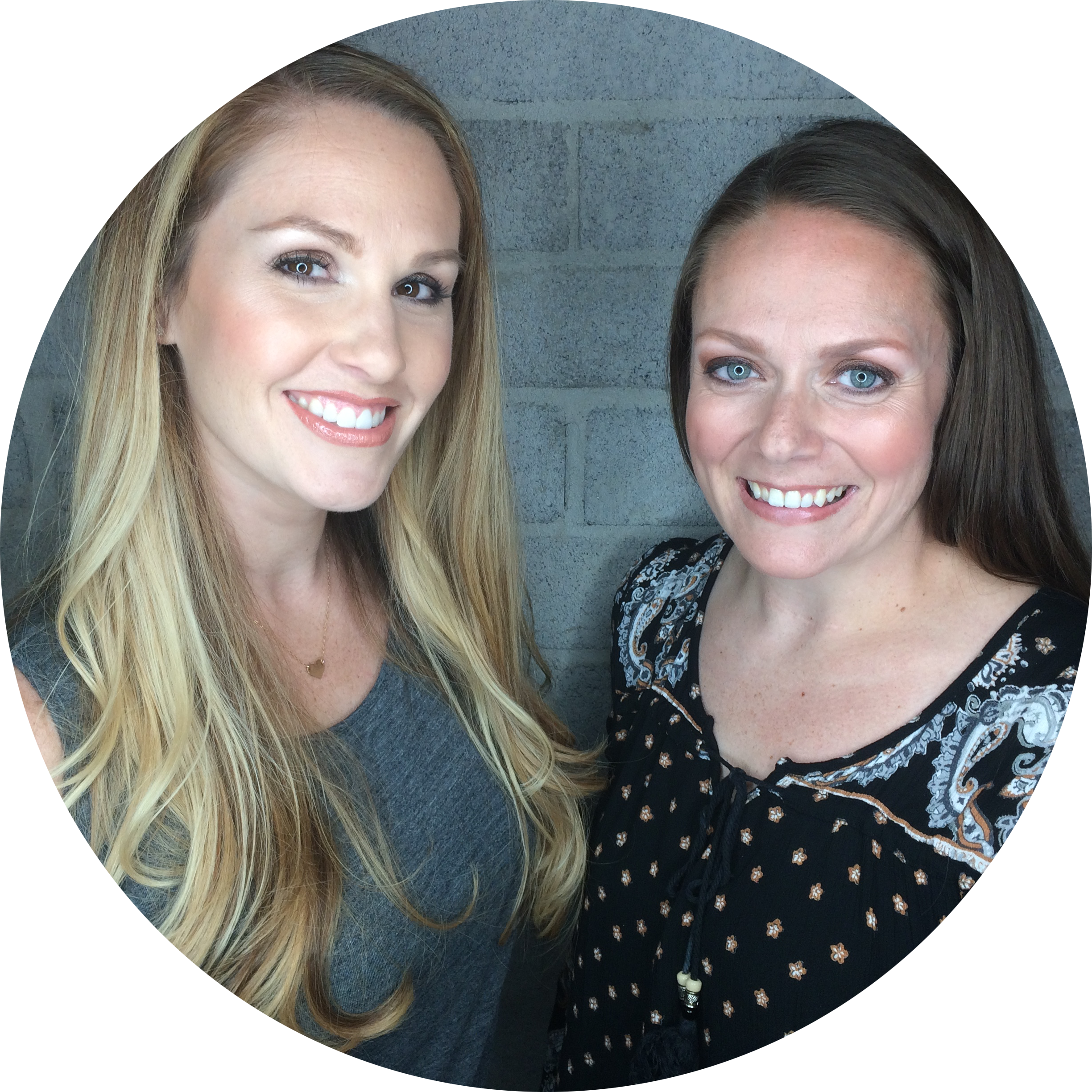
Charise Schwertfeger, M.S., LMFT
Charise received her graduate degree from the Marriage and Family Therapy program at Arizona State University, cohort graduation December 2009. She is a Licensed Marriage and Family Therapist who has worked as a clinician in multiple clinical settings including public mental health, private community agencies, as well as private practice. She has also supervised graduate intern clinicians and associate clinicians in the community health setting and private practice setting. She is a member of various clinical organizations for therapists and has additional training in the areas of Emotionally Focused Therapy (EFT) and Eye Movement Desensitization and Reprocessing (EMDR).
Minon Maier, M.A., LMFT
Minon received her graduate degree from the Marriage and Family Therapy program at the University of San Diego, graduation May 2005. She is a Licensed Marriage and Family Therapist who has worked as a clinician in multiple clinical settings including public mental health, inpatient treatment, acute care, private community agencies, as well as private practice. She has also supervised graduate intern clinicians and associate clinicians in the community health settings as well as private practice. She is a member of various clinical organizations for therapists and has additional training in the areas of Emotionally Focused Therapy (EFT) and Eye Movement Desensitization and Reprocessing (EMDR).